CAC x rect.repair | Take the Web to the Park! WebRing Workshop
2026.8.30 SUN, 14:00-17:00
Language: Mainly in English
Capacity: Limited to 20 participants
Venue: To be announced upon successful registration
What happens when a webpage is no longer purely virtual and available 24/7, but becomes site-specific? What if we no longer discover information through search and algorithms, but through wandering, chance encounters, and interactions with others? Can we imagine a network infrastructure that emerges through real-life interactions between people, with each person contributing their own piece of content?
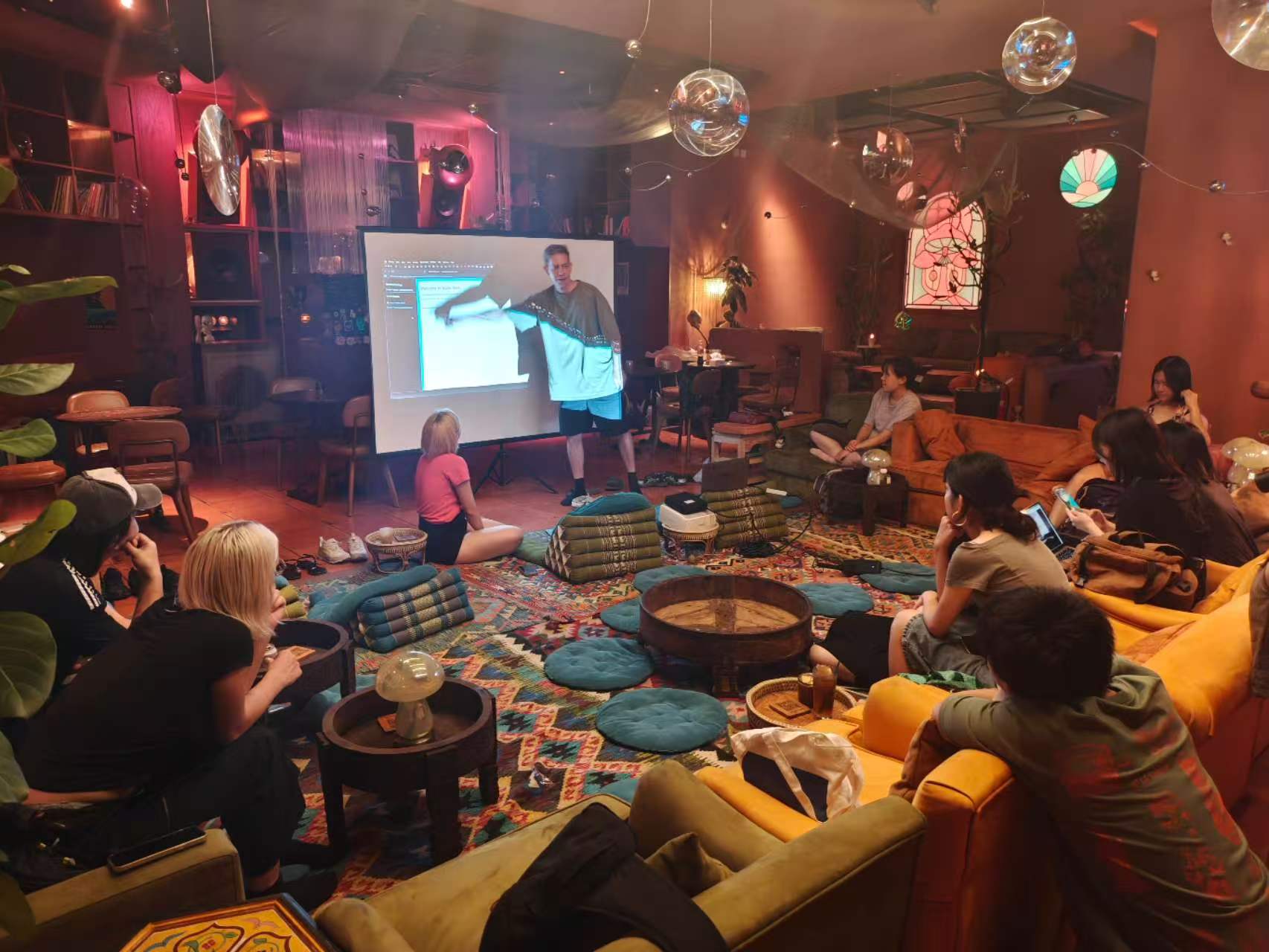
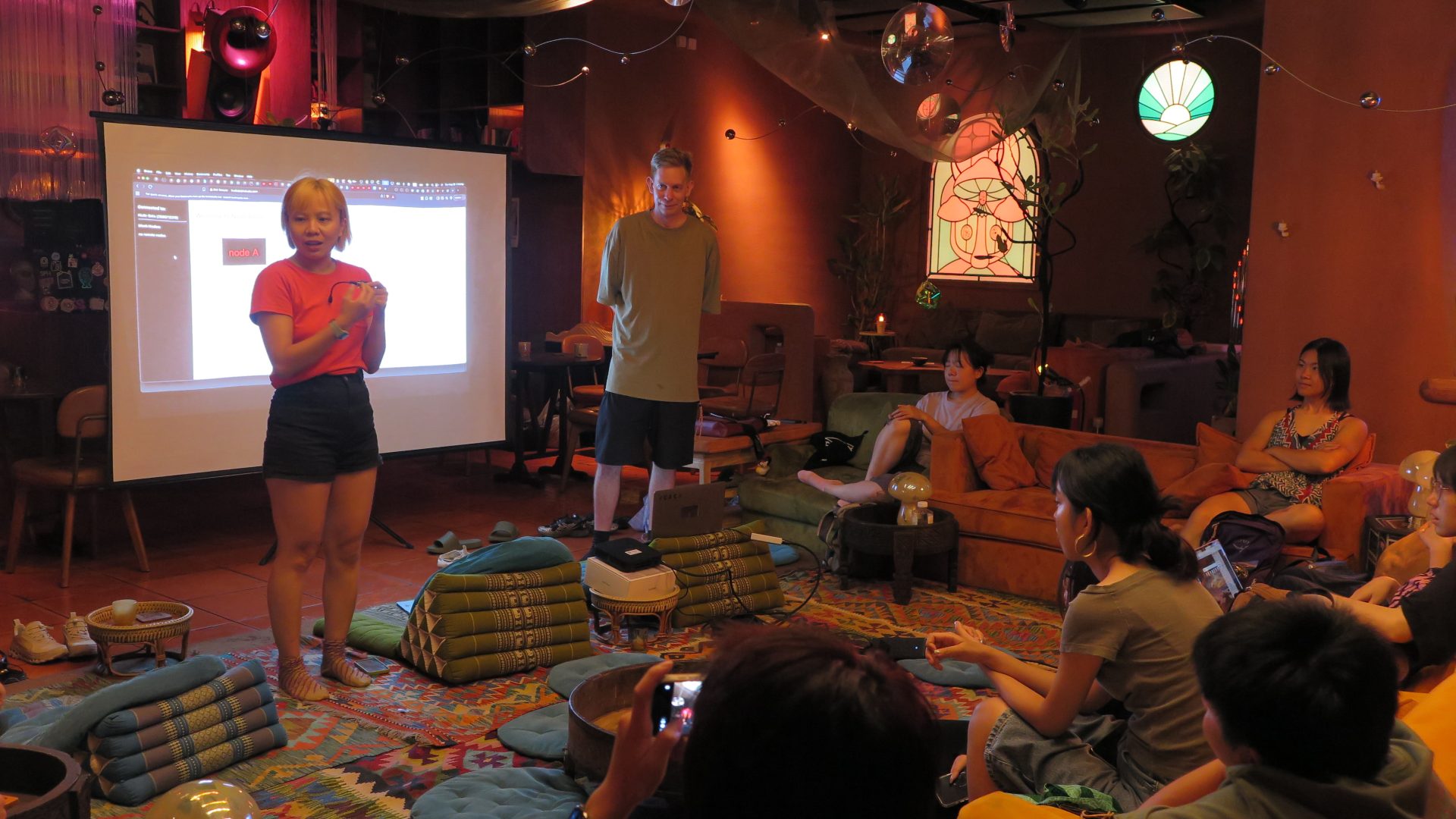
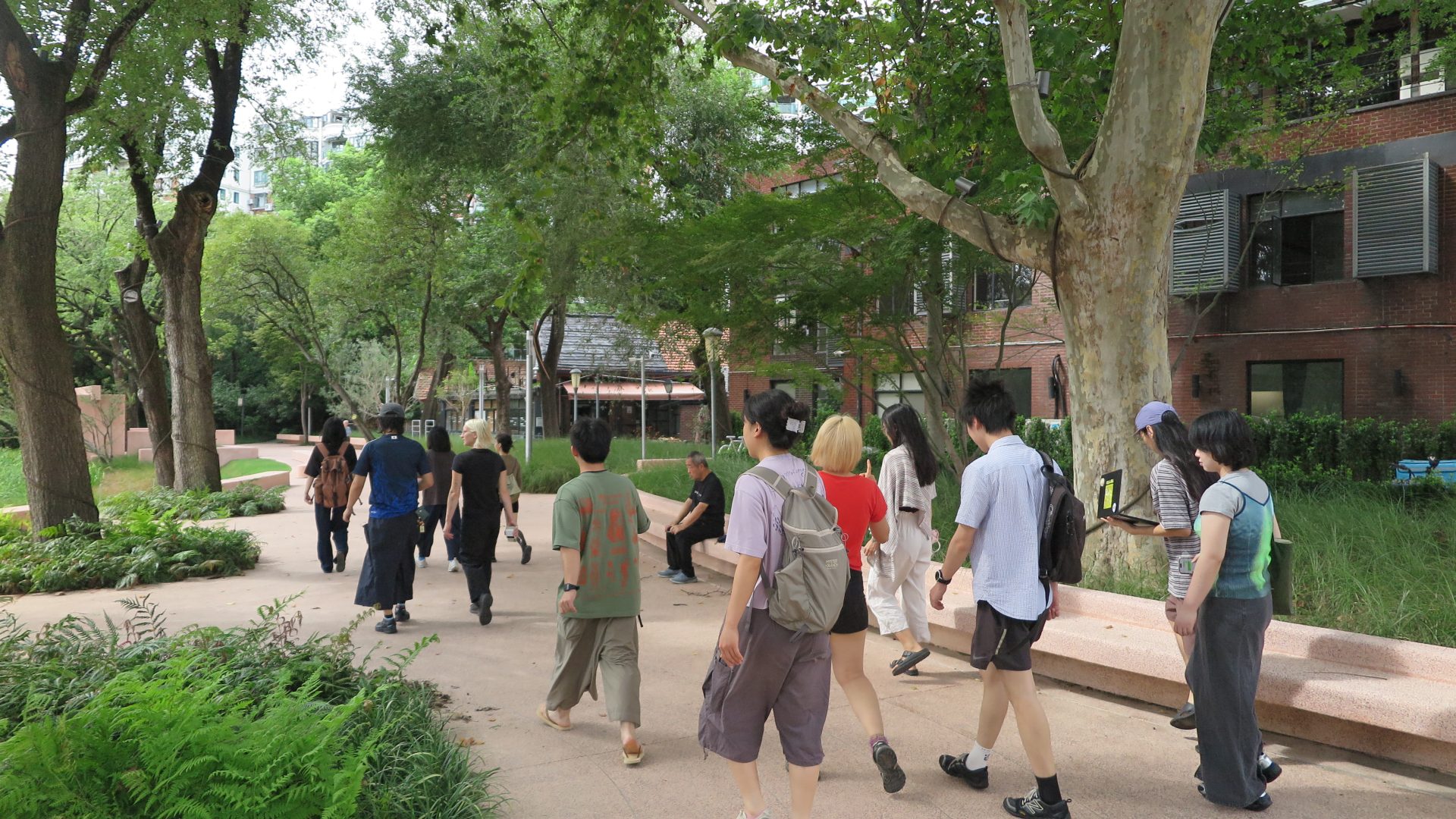
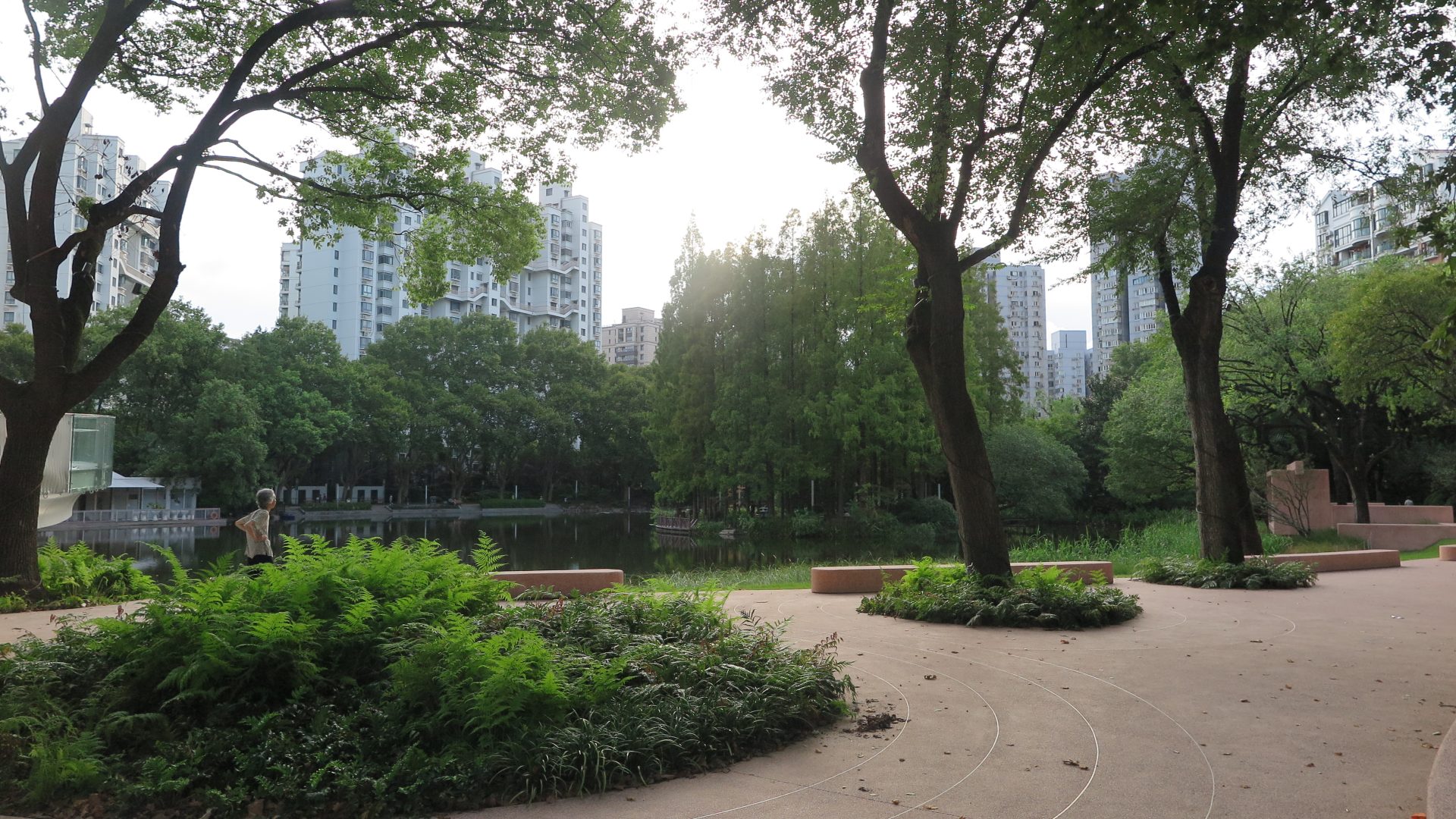
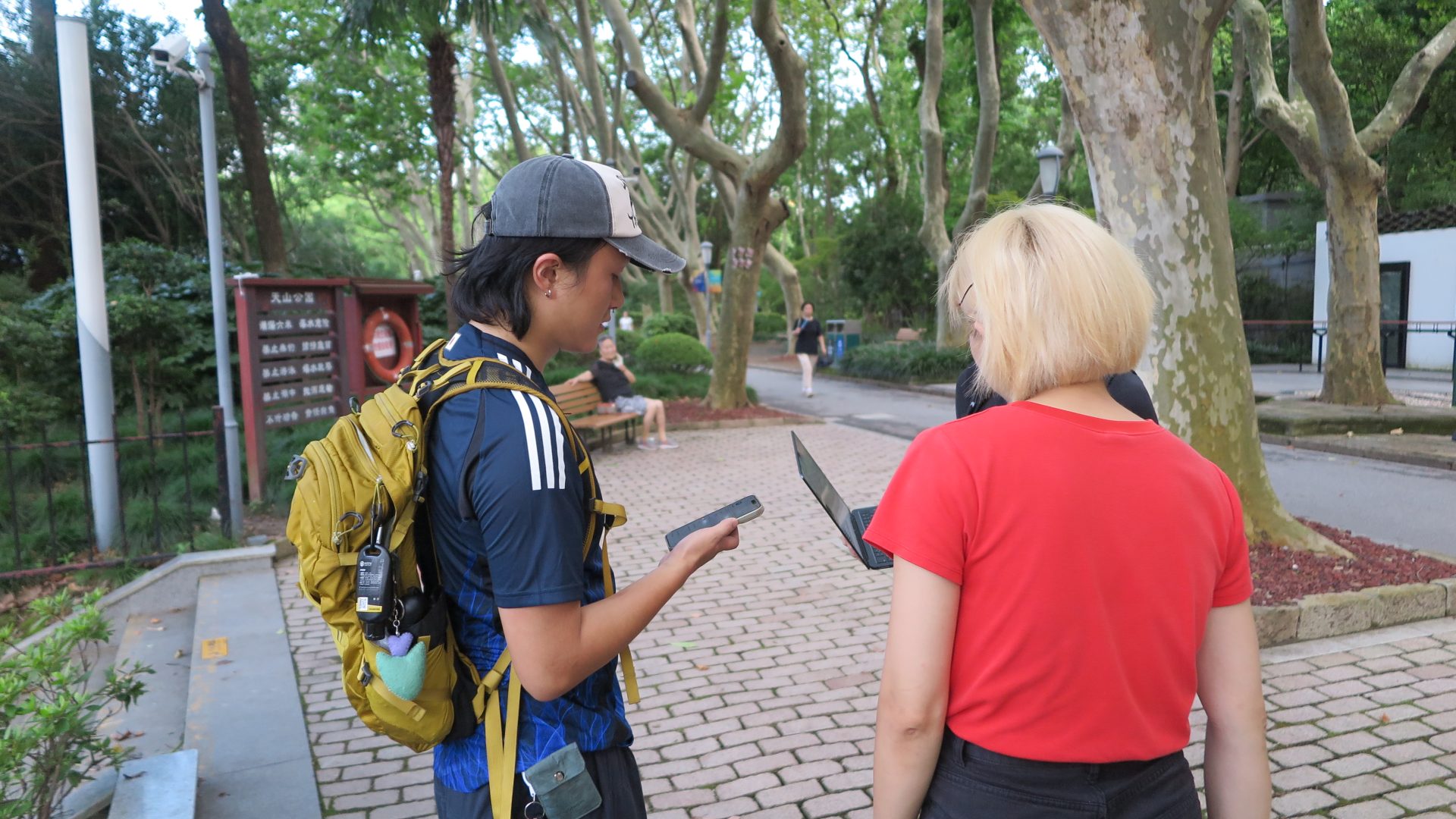
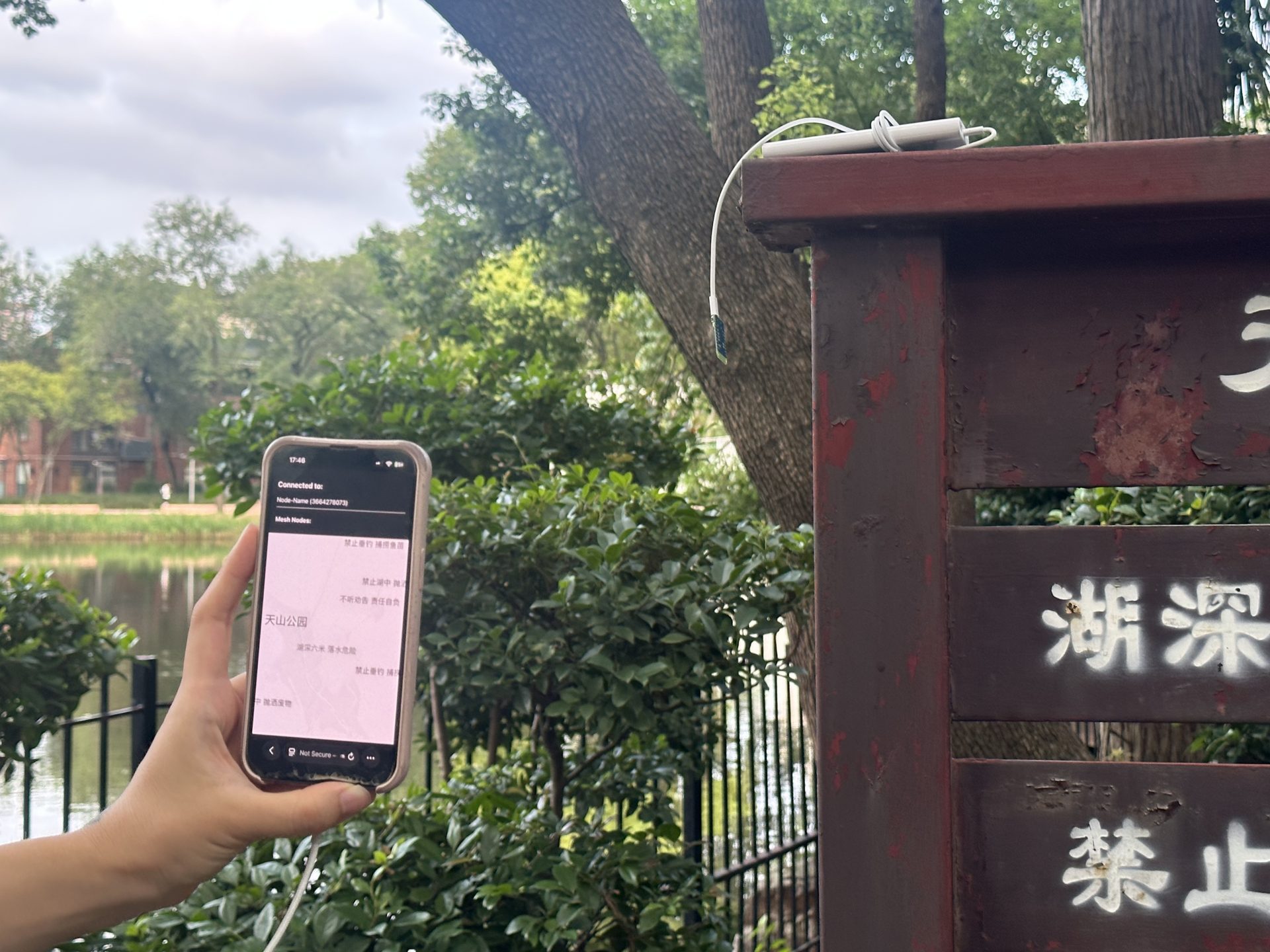
This Sunday, Chronus Art Center and [[rect*]]repair will take you into the park to build a temporary offline network using low-cost hardware, create and deploy your own HTML webpage, and collectively build a site-specific WebRing through wandering, discovery, and connection.
From Webrings to Walled Gardens
In the early days of the World Wide Web, finding information online often felt more like treasure hunting or archaeology than the kind of searching we are familiar with today. Before social media feeds, recommendation algorithms and AI assistants, the Web was messy, personal and often surprising. People discovered websites through hyperlinks, web directories and webrings.
A webring was one of the earliest ways people discovered websites on the World Wide Web. Participating websites displayed a small navigation bar that linked visitors to the “next”, “previous” or “random” site in the ring. A webring was a collection of independently maintained webpages connected through shared interests. Rather than relying on search engines, visitors would move from page to page through a community of interconnected websites.
This extremely simple principle encouraged exploration, serendipity and personal expression, transforming the Web from a collection of isolated islands, or gardens, into a network of relationships. Following links from one page to another could lead you down unexpected paths, from someone’s GIF-laden personal homepage to an obscure hobby project or a piece of poetry. Today, much of our online experience takes place inside an incredibly small number of platforms, or “walled gardens”, where search engines, app stores and recommendation systems increasingly determine what we see and how we discover new content.
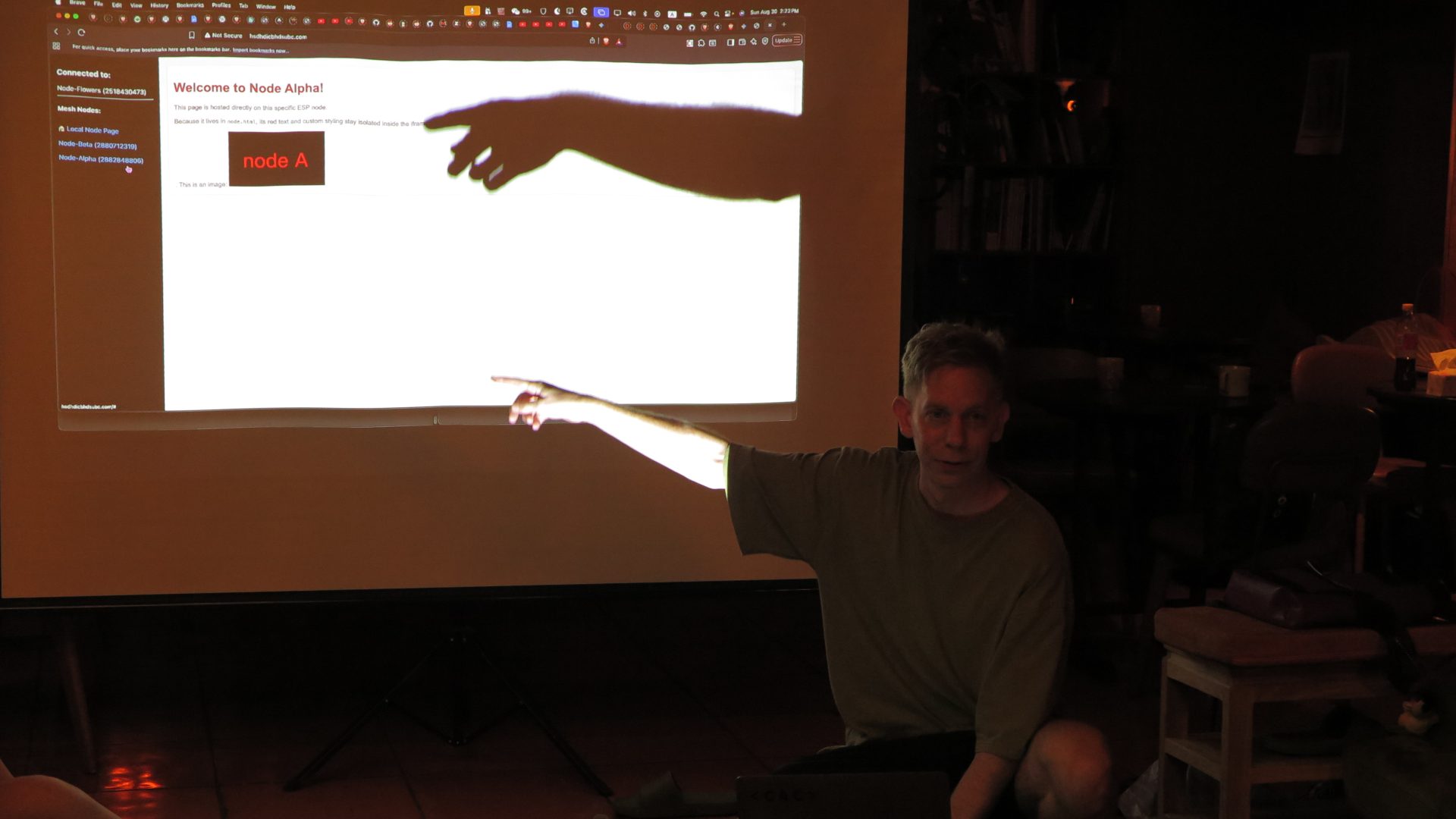
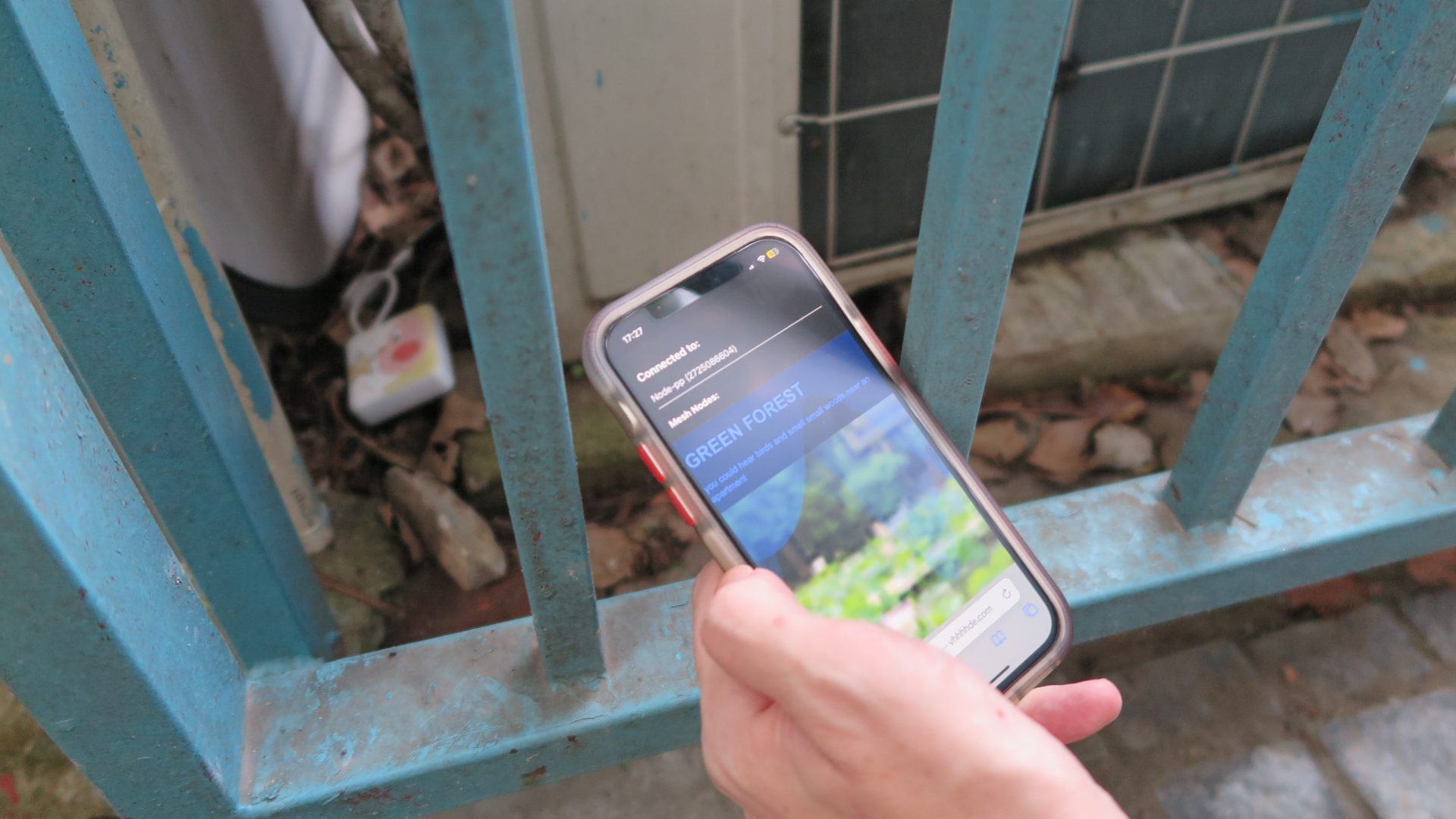
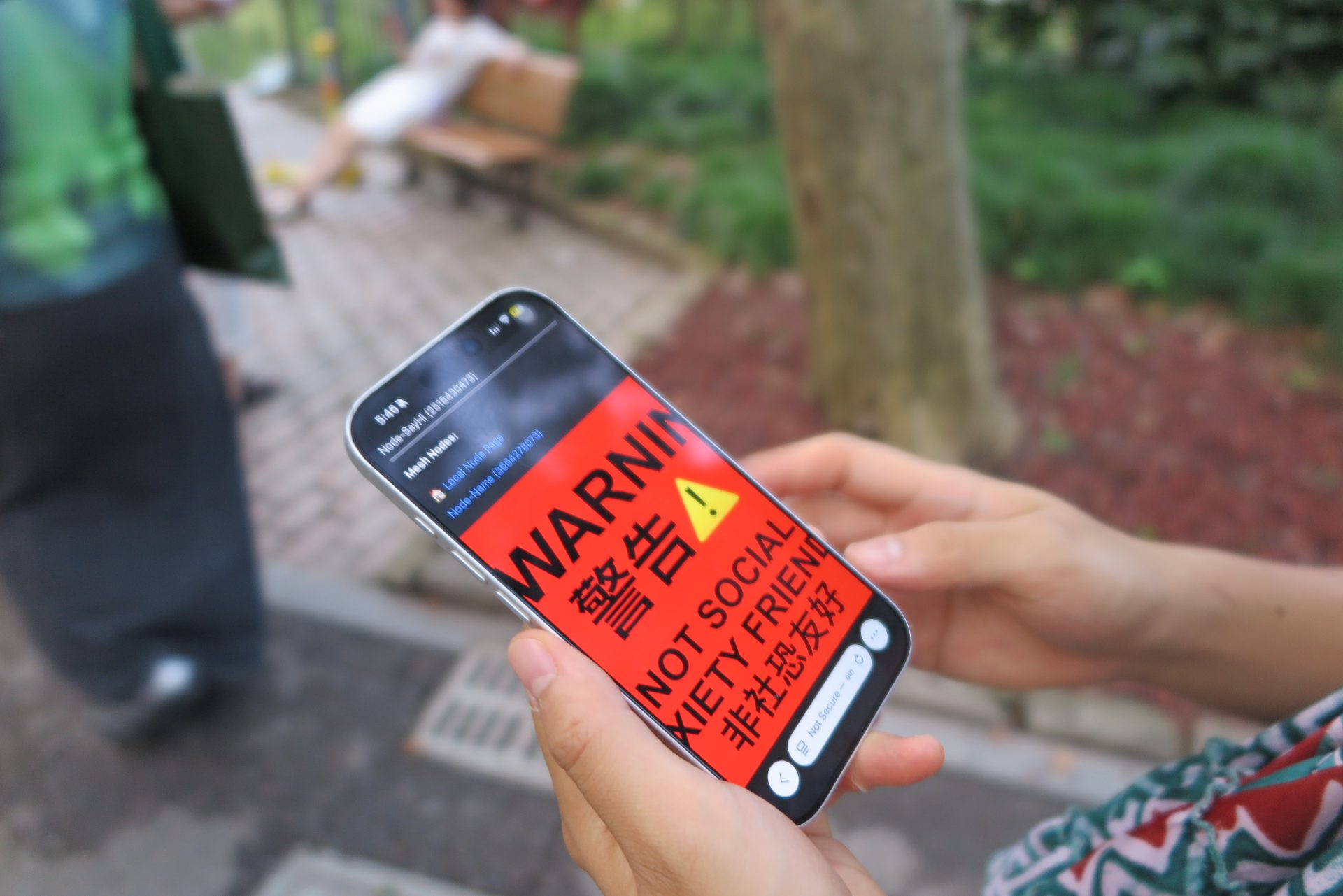
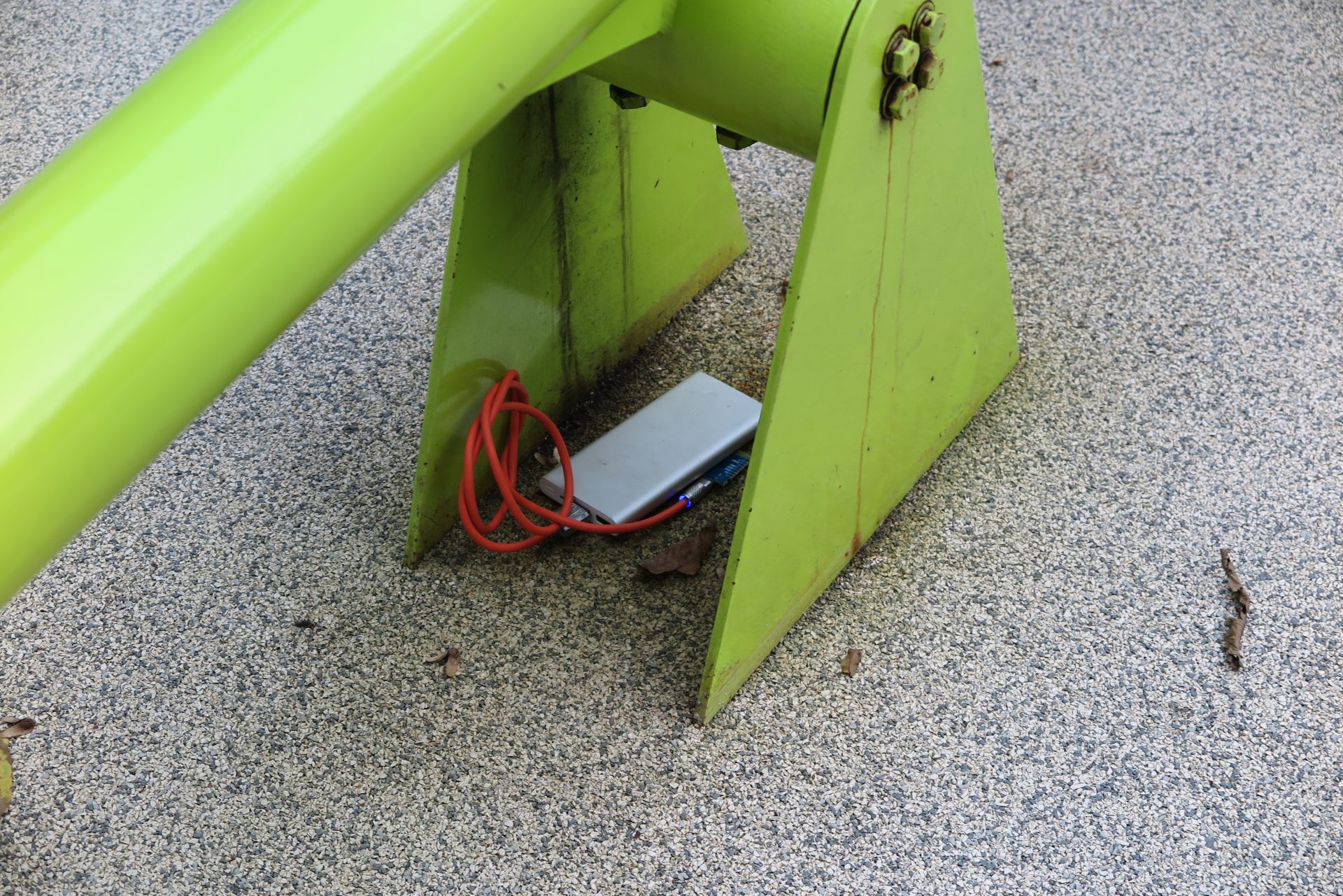
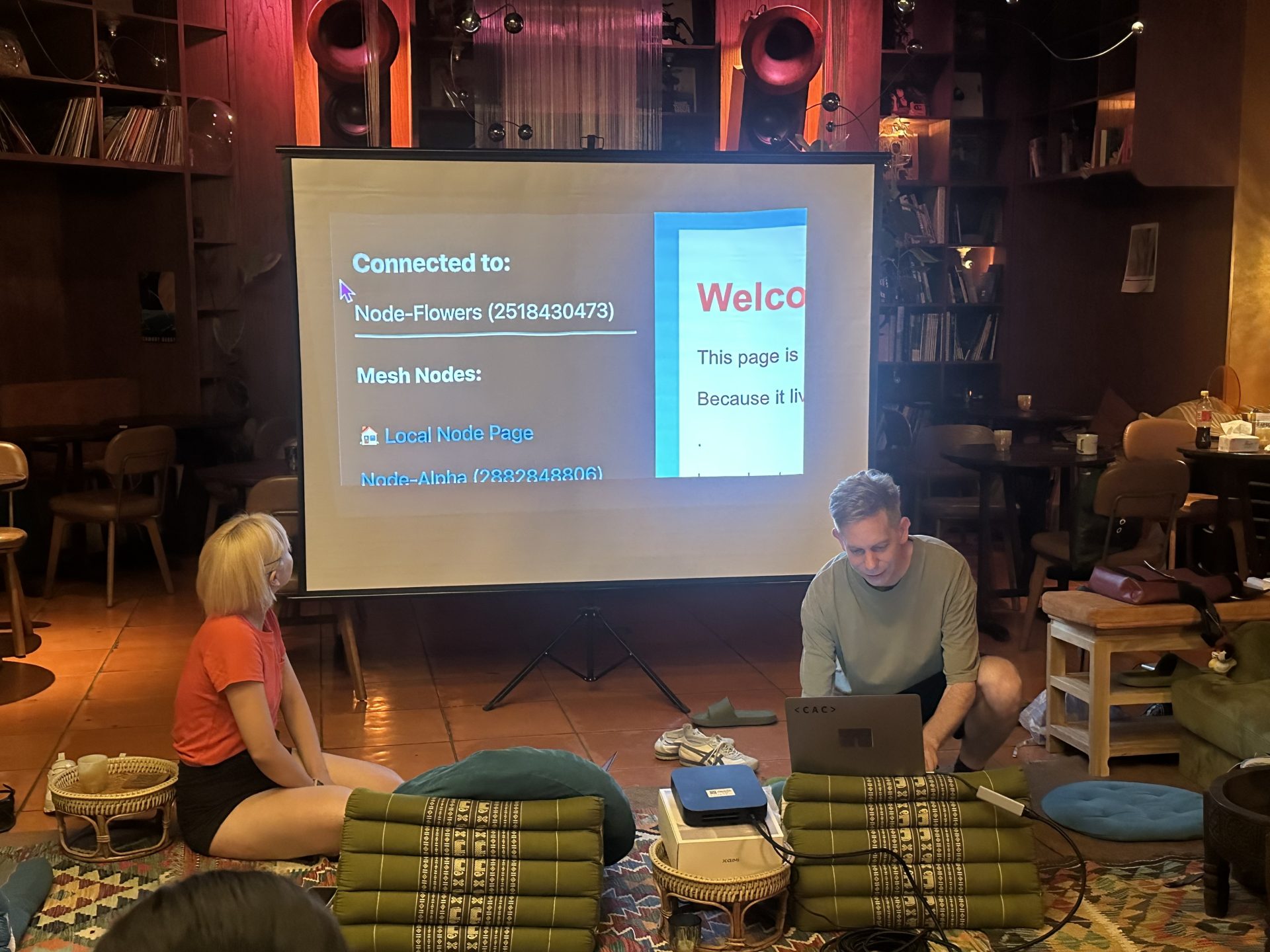
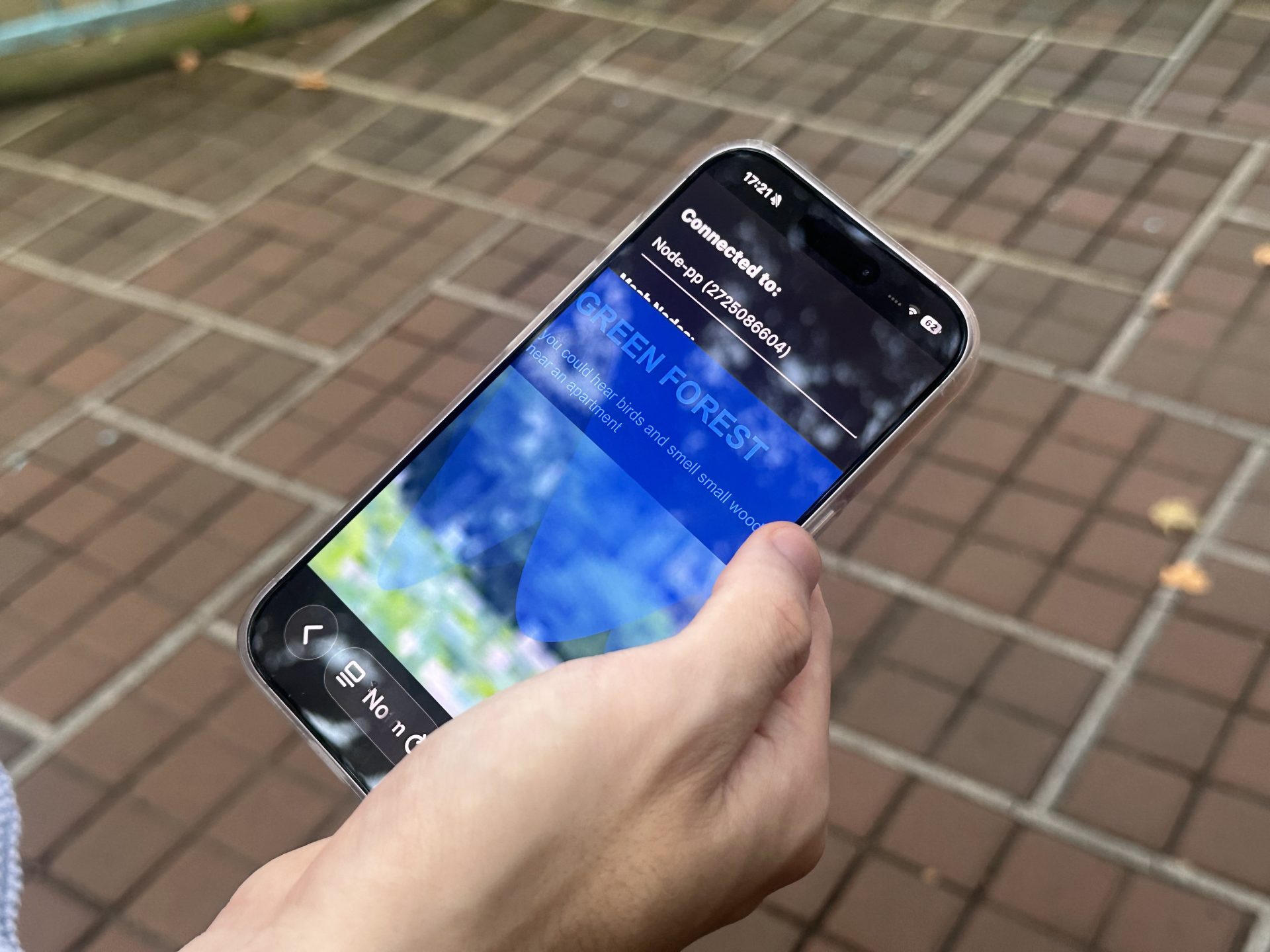
This workshop combines the serendipitous experience of discovery from the early Web with low-cost hardware. Using ESP8266 microcontrollers, participants will collectively construct a site-specific, temporary “offline web” distributed throughout Park. Each participant will create their own webpage and connect it to others through hyperlinks, puzzles, stories, clues or artistic interventions. The webpages will be hosted by tiny wireless devices hidden throughout the park, with each page limited to just 2MB of digital space. Pages might disappear and reappear, or require you to physically move closer in order to connect. Together, they will form a temporary webring that can only be explored on-site through wandering, discovery and physical movement.
This workshop is also a joint event between [[rect*]]repair’s Beneath the Interface series and CAC’s summer workshop series, Fragile Infrastructures. Beneath the Interface is a monthly workshop series initiated by [[rect*]]repair around creative tech, bringing people together to learn, experiment, and make things with playful technologies.Fragile Infrastructures offers a structural reflection on contemporary narratives surrounding high-energy cloud computing and artificial intelligence, while exploring ways of re-embedding computation within environmental conditions and planetary-scale ecological constraints.
What we will explore
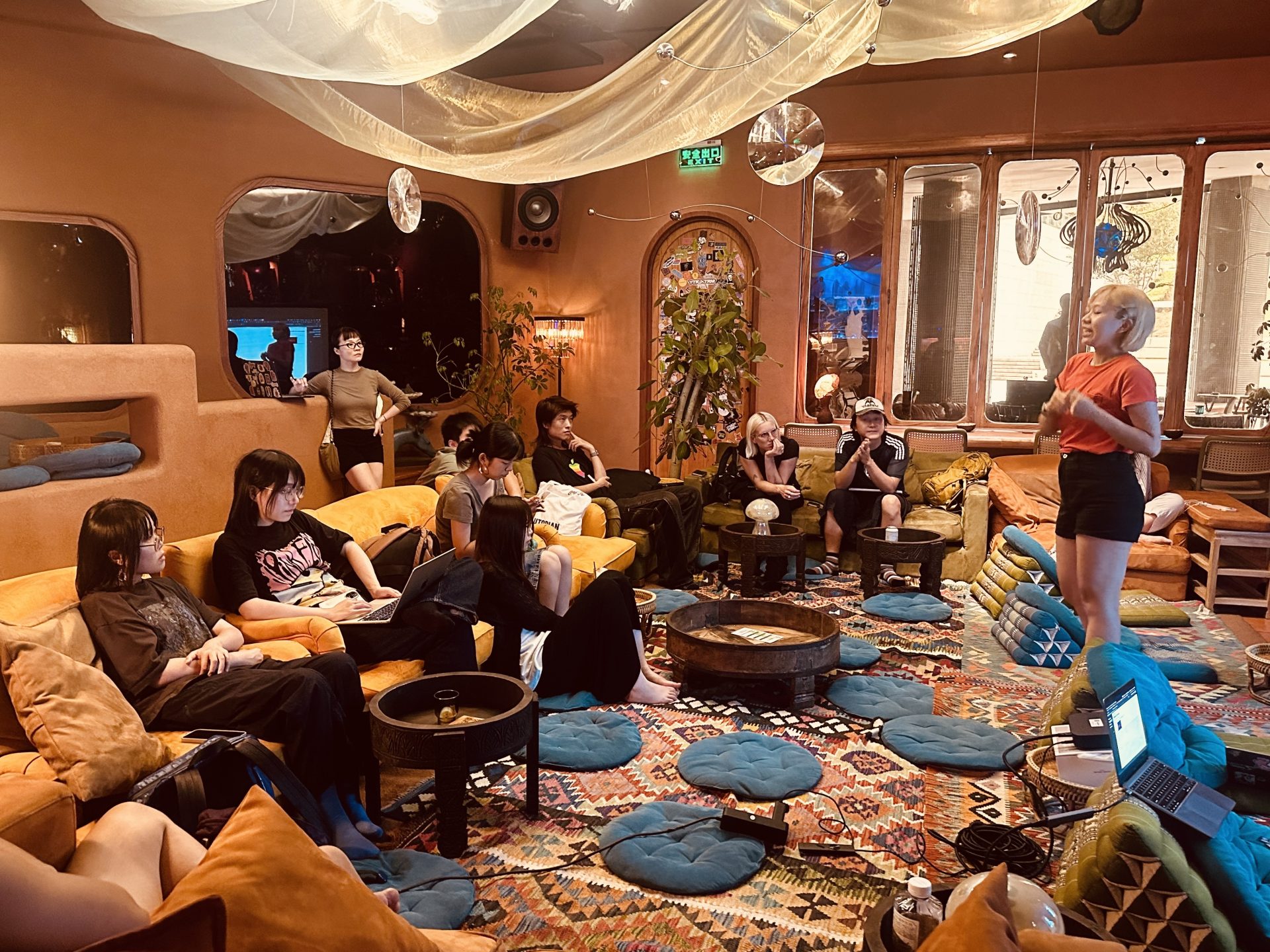
During the workshop we will offer the technical framework and hardware needed to participate in the offline Webring. Participants will get a short introduction into HTML and construct their own handmade webpage(s). We will challenge the participants through prompts to explore their surroundings and make a hyper-local, site-specific page that expresses both their physical surroundings and the technical implications of an offline (mesh) network through a personal journey, treasure hunt or puzzle (game).
While technical, the workshop will be focussing on how locality, the environment, latency, technical constraints and unreliable connections can inspire new perspectives on communication and infrastructure. As such, this workshop emphasizes artistic exploration over technical jargon.
Basic familiarity with HTML and/or C++ will be helpful! Participants are encouraged to experiment, explore and collaborate.
当一个网页不再只是纯粹的虚拟空间,不再可以全天候随时访问,而是场域特定的(site-specific),会发生什么?如果我们不再通过搜索和算法,而是通过漫游、偶遇以及与他人的互动来发现信息,又会怎样?我们能否想象由每个人贡献内容、由人与人之间的真实互动中涌现形成的网络基础设施?
这个周日,CAC 新时线媒体艺术中心和修四边形([[rect*]]repair)将带领大家走进公园,用低成本硬件搭建一个临时的离线网络,制作并部署自己的 HTML 网页,并通过漫游、发现和连接,共同构建一个充满意外之趣、场域特定的 WebRing。
从 WebRing 到“围墙花园”
在互联网诞生的早期,在线寻找信息更像是在考古或是在寻宝,而不是我们今天所熟悉的信息检索。在社交媒体信息流、推荐算法和 AI 助手出现之前,互联网是混乱的、私人化的,也常常充满意外。人们通过超链接、网站目录和 WebRing 发现网站。
WebRing 是早期互联网中人们用来发现网站的一种方式。参与其中的网站通常会放置小型导航栏,让访问者可以前往 WebRing 中的“下一个”“上一个”或“随机”网站。它是一组由个人独立维护、因为共同兴趣而相互连接的网页。与依赖搜索引擎不同,访问者会通过一个个彼此连接的网站,在网络中不断闲逛和探索。
这个简单的机制鼓励探索、偶然发现和个人表达,也让互联网不再只是一个个彼此孤立的“岛屿”或“花园”,而成为一个由各种关系连接起来的网络。沿着一个页面上的链接不断点击,你可能会进入完全意想不到的地方,从某个人充满 GIF 的个人主页,到一个冷门的兴趣项目,抑或一首诗。而今天,我们的大部分网络体验都发生在数量极其有限的平台之中。这些平台近乎一个个“围墙花园”,搜索引擎、应用商店和推荐系统越来越多地决定我们能看到什么、发现新的内容。
本次工作坊将把早期互联网充满偶然性的“发现”体验与低成本硬件结合起来。参与者将使用 ESP8266 微控制器,在公园中共同搭建一个场域特定的临时“离线网络”,制作自己的网页,并通过超链接、谜题、故事、线索或艺术介入等方式彼此连接。网页将由隐藏在公园各处的小型无线设备托管,每个网页仅有 2MB 的存储空间,可能时隐时现,也可能只有当你的身体靠近某个位置时才能连接。最终,这些网页将组成一个只能通过现场漫游、发现和身体移动来探索的临时 WebRing。
我们将学习什么?
工作坊将提供参与离线 WebRing 所需的技术框架和硬件。参与者会接受 HTML 的简短介绍,并制作属于自己的手工网页。
我们会通过一系列提示,引导参与者观察周围的环境,并制作一个高度本地化、场域特定的网页。这个网页既可以表达你所处的物理环境,也可以通过个人旅程、寻宝或谜题游戏等方式,探索离线网络和 Mesh 网络在技术层面带来的可能性。
虽然工作坊涉及技术,但重点并不是技术术语本身,而是思考地点、环境、延迟、技术限制以及不稳定的网络连接,如何为我们理解交流方式和基础设施提供新的视角。因此,本次工作坊更强调艺术探索,而不是技术术语。具备基础的 HTML 和/或 C++ 知识会有所帮助。我们鼓励参与者进行实验、探索和合作。
这场工作坊也是修四边形“界面下”系列与 CAC“脆弱的基础设施”(Fragile Infrastructures)系列的一次联合活动。“界面下”是修四边形围绕 creative tech 发起的月度工作坊,大家一起学习好玩的技术,并用它们动手做东西;“脆弱的基础设施”则是 CAC 今年夏季发起的系列工作坊,试图从结构层面反思当下围绕高能耗云计算和人工智能形成的技术叙事,并探索如何将计算重新嵌入具体的环境条件与行星尺度的生态约束之中。