CAC Atelier丨Temporary Connections: Solar Server Workshop
Time: June 28th,14:00-17:00 (Sunday)
Instructor:Dennis de Bel
Venue:14F, East Building, 102 Qinjiang Road, Xuhui District, Shanghai
Language:English
Ticket:120RMB
In the early 1990s, although computers around the world were already able to communicate with one another, the network remained a space accessible only to a relatively small group of technical users. In 1990, while working at CERN, Tim Berners-Lee proposed a global information system based on hypertext, aiming to make information easier to organize, find, and share. Drawing on Ted Nelson’s earlier ideas of hypertext, the proposal envisioned a web of interconnected documents, where one text could link to another, and so on. In 1993, CERN released the system as open source, and the World Wide Web was born. The early web was conceived not only as a space for reading but also as a space for writing. Every user had the ability to publish something of their own.
Thirty years later, almost everyone carries a browser in their pocket. Yet publishing online increasingly relies on platforms, cloud services, and large-scale data centers. What might happen if we could step outside this infrastructure and rewrite the rules of the web?
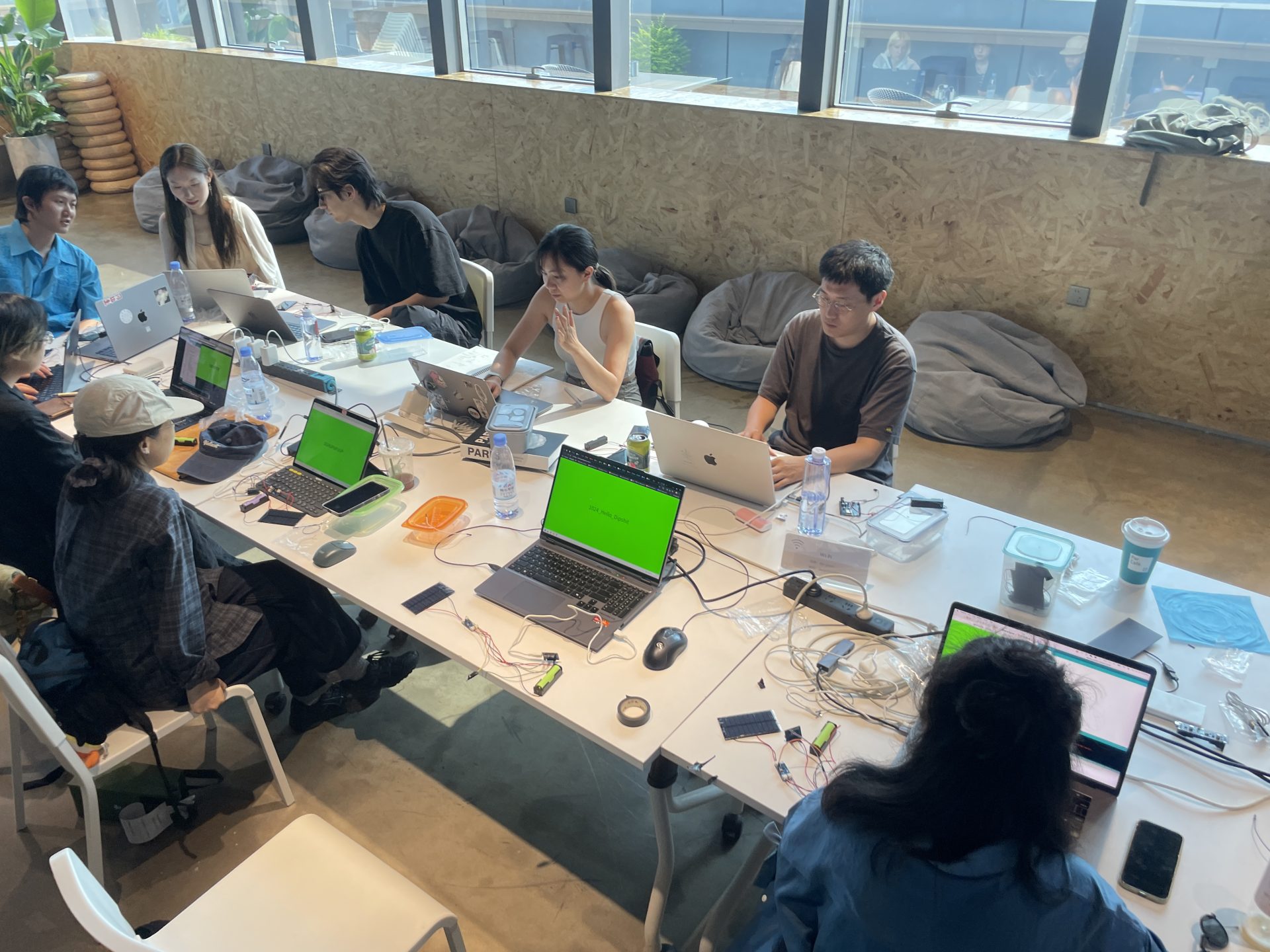
In this workshop, we will explore the possibilities and limitations of building our own network infrastructure. It may be resilient, or it may be fragile, but in either case it will belong to you.
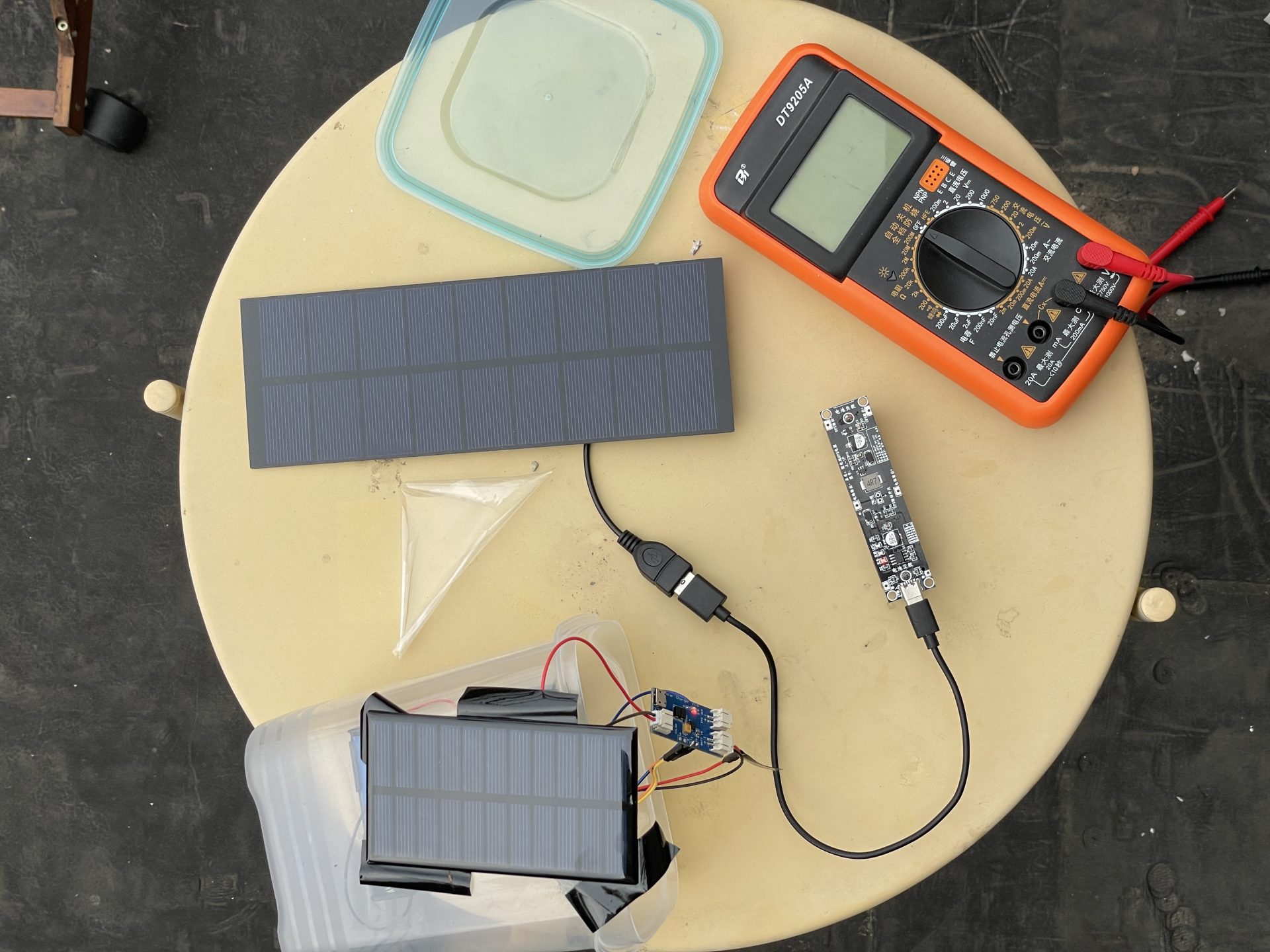
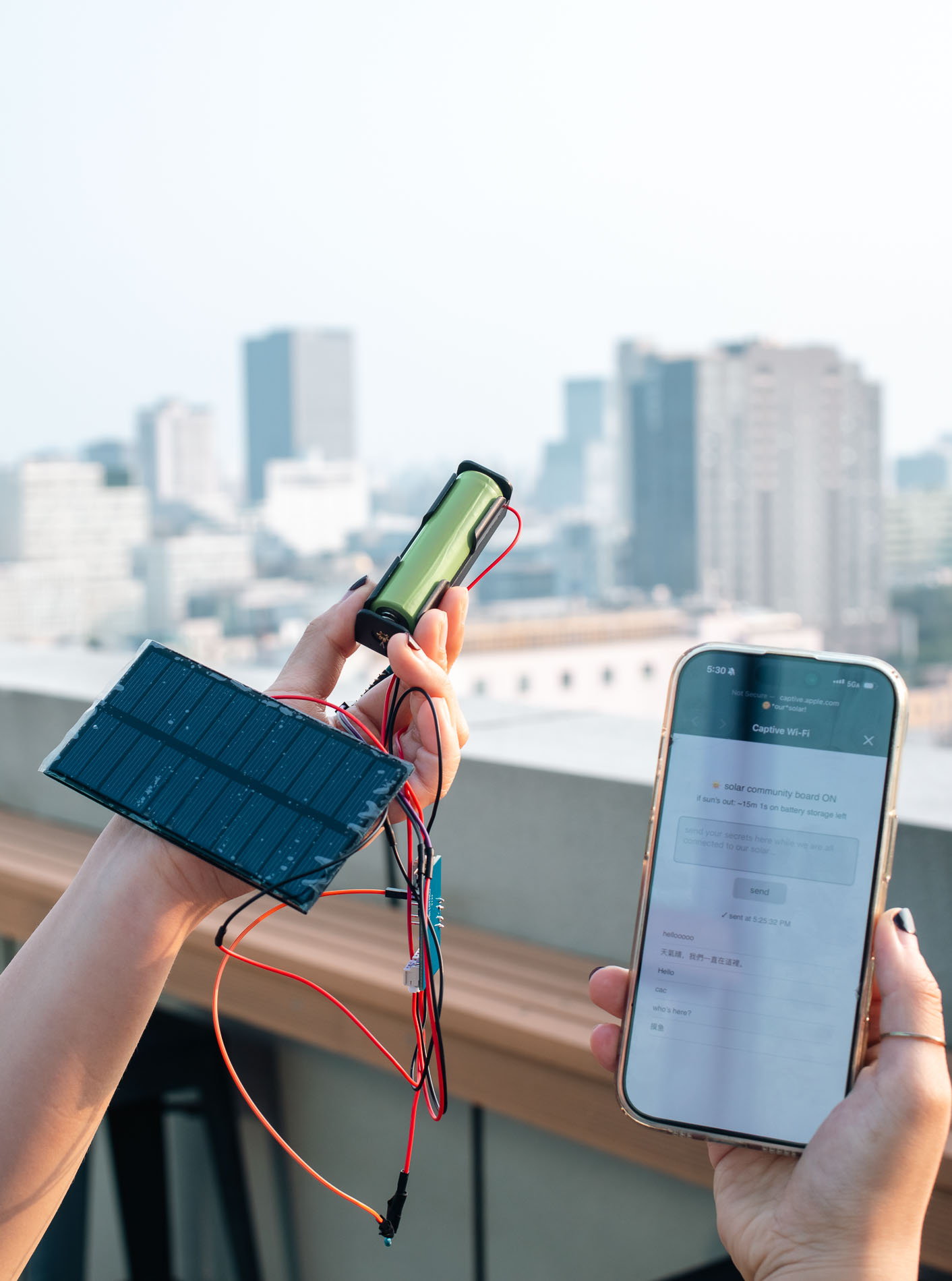
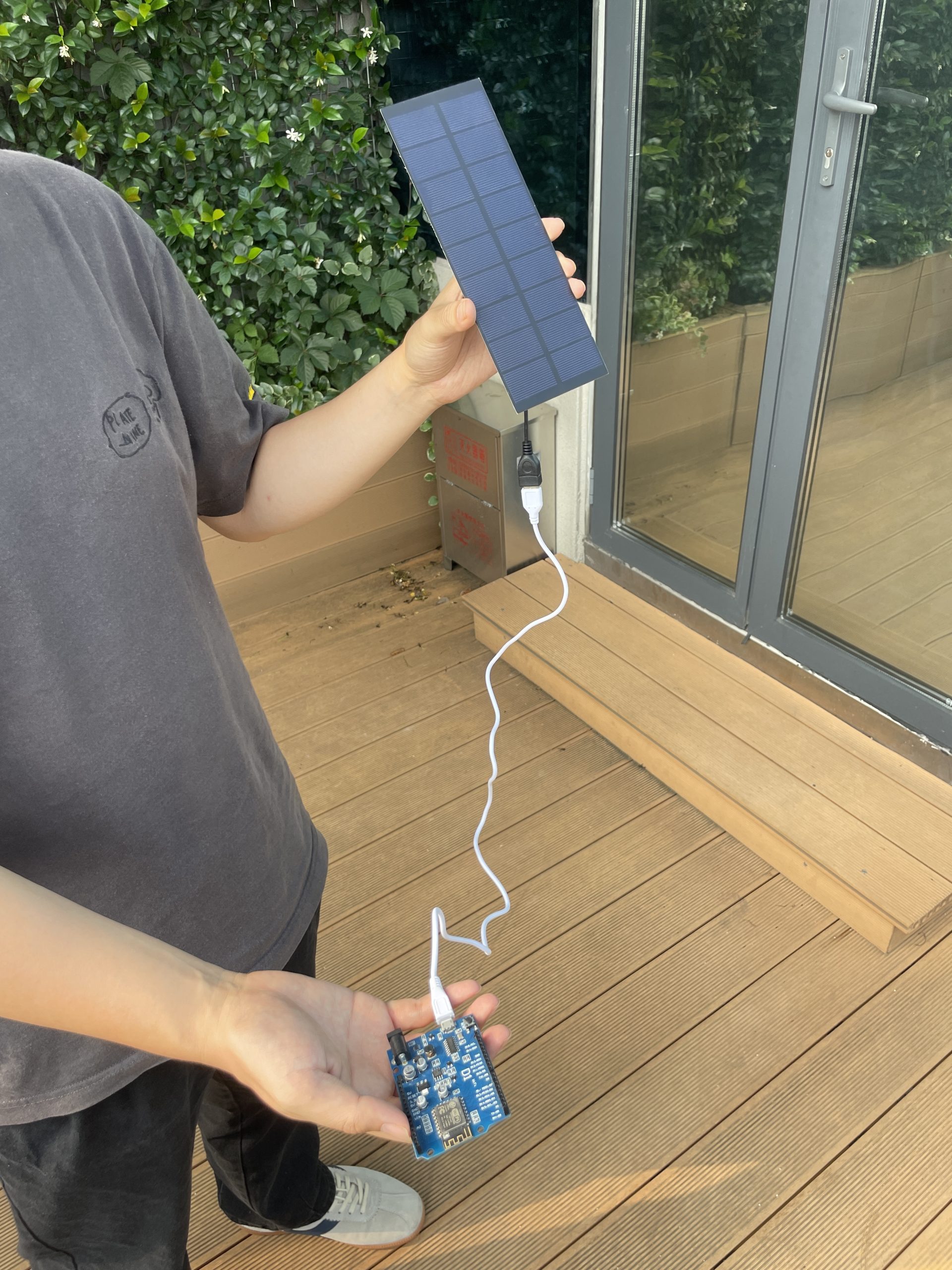
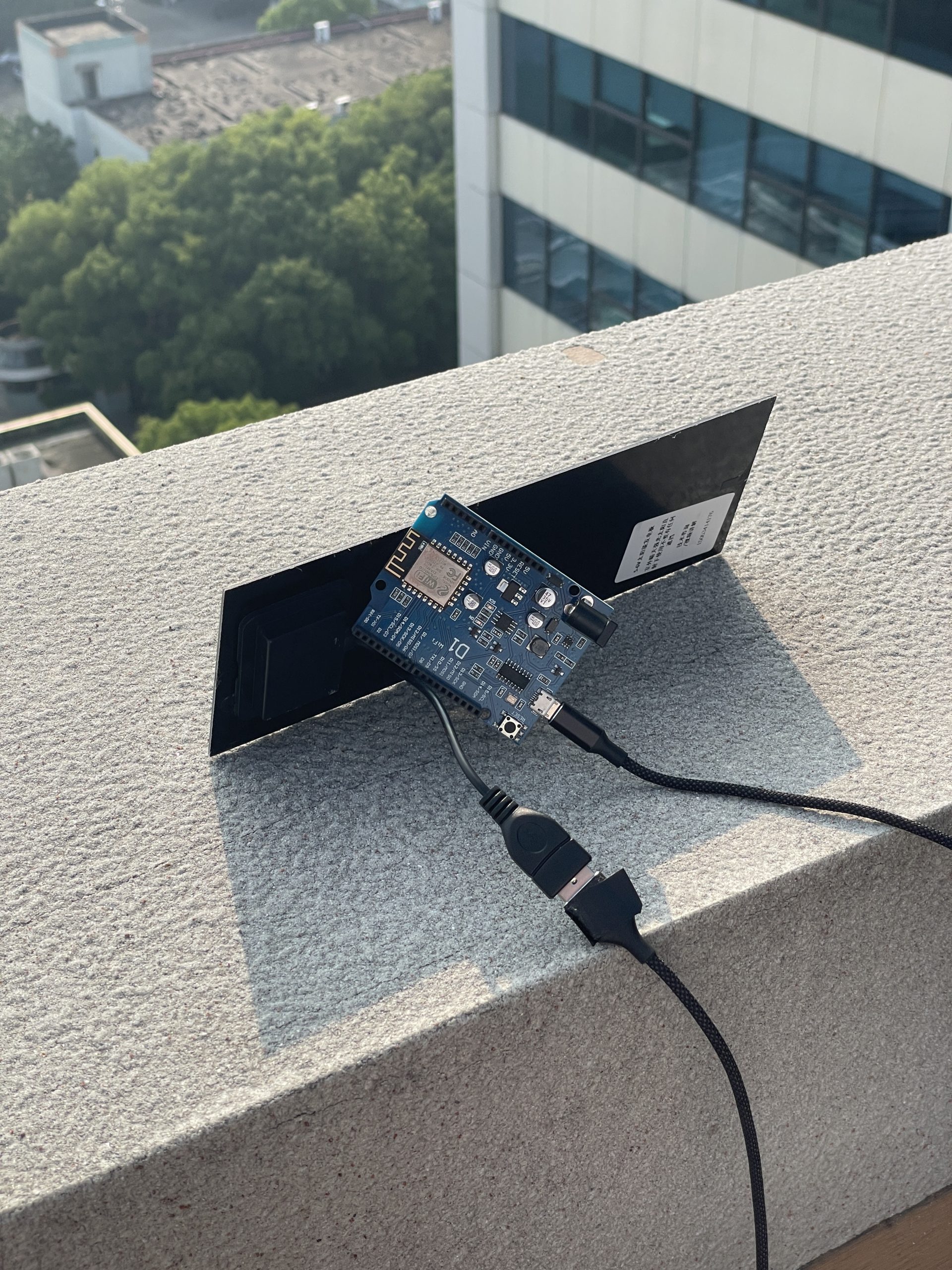
Participants will build a low-cost, solar-powered microcomputer. Operating entirely off-grid, the device can nevertheless be accessed by anyone within its signal range. Depending on the communication protocols used and line-of-sight conditions, its coverage may range from approximately 20 to 1000 meters.
Once the hardware has been assembled, participants will create and host an off-the-grid webpage. This webpage can serve as a space for critical reflection on resource constraints, climate change, and the future of the internet, or simply as a place to share personal interests, hobbies, and creative work.
Through this hands-on experiment, we will reconsider what the web might become in a time of limited energy resources and fragile infrastructures. If the internet no longer depended on large platforms and data centers, what kinds of connections could we create?
Stepping away from centralized network infrastructures does not mean disconnecting. Rather, it means gradually removing our dependence on platforms, data centers, and systems of real-time synchronization, allowing computation and communication to rely instead on local devices, environmental energy, and non-continuous forms of time.
This workshop is the first session of CAC’s summer workshop series, Fragile Infrastructures. It offers a structural reflection on contemporary narratives surrounding high-energy cloud computing and artificial intelligence, while exploring ways of re-embedding computation within environmental conditions and planetary-scale constraints.
For a smoother experience, basic knowledge of HTML is recommended.